Every year, we see a flood of “design trends for the year ahead” articles and videos telling you which fonts, colors, and styles you should be using to stay relevant. But 2026 feels different.
We’re not seeing any new dominant website trends emerging this year. Instead, what we’re seeing is a fundamental shift in how brands are approaching design altogether. And if you’re a business owner or entrepreneur who’s tired of your brand blending in with everyone else, this shift is actually great news.
In this post, we’re going to explore why 2026 isn’t about following design trends. It’s about finally owning your unique voice. I’ll show you exactly how to do that with real examples of brands that are getting it right, and I’ll touch on some design progressions (not trends) that are still strong in 2026.
Let’s dive in.
Why 2026 Feels Different
Here’s the reality: design trends have always been recycled. They’re essentially nostalgic callbacks to aesthetics we used to love.
We’ve seen animations, interactions, massive brand names and fonts, minimalism with a maximal twist, storytelling design, dark mode, glassmorphism, nostalgic retro vibes, and hand-drawn elements. It’s all been done before! Design trends are progressions from previous years, not revolutionary new ideas.
But right now, we’re in the middle of a massive shift: you can create a half-decent website using AI tools from concept to design, from copywriting to code.
The AI Homogenization Problem
Here’s the problem we’re seeing at Studio1 Design, and we’re sure you’ve noticed it too: when brands rely on AI as their primary design tool, their social media and websites start looking the same as their competitors.
AI is not great at creating truly original designs. So what happens? Brands that should feel unique, that should stand out in their marketplace, end up looking like they came from the same template.
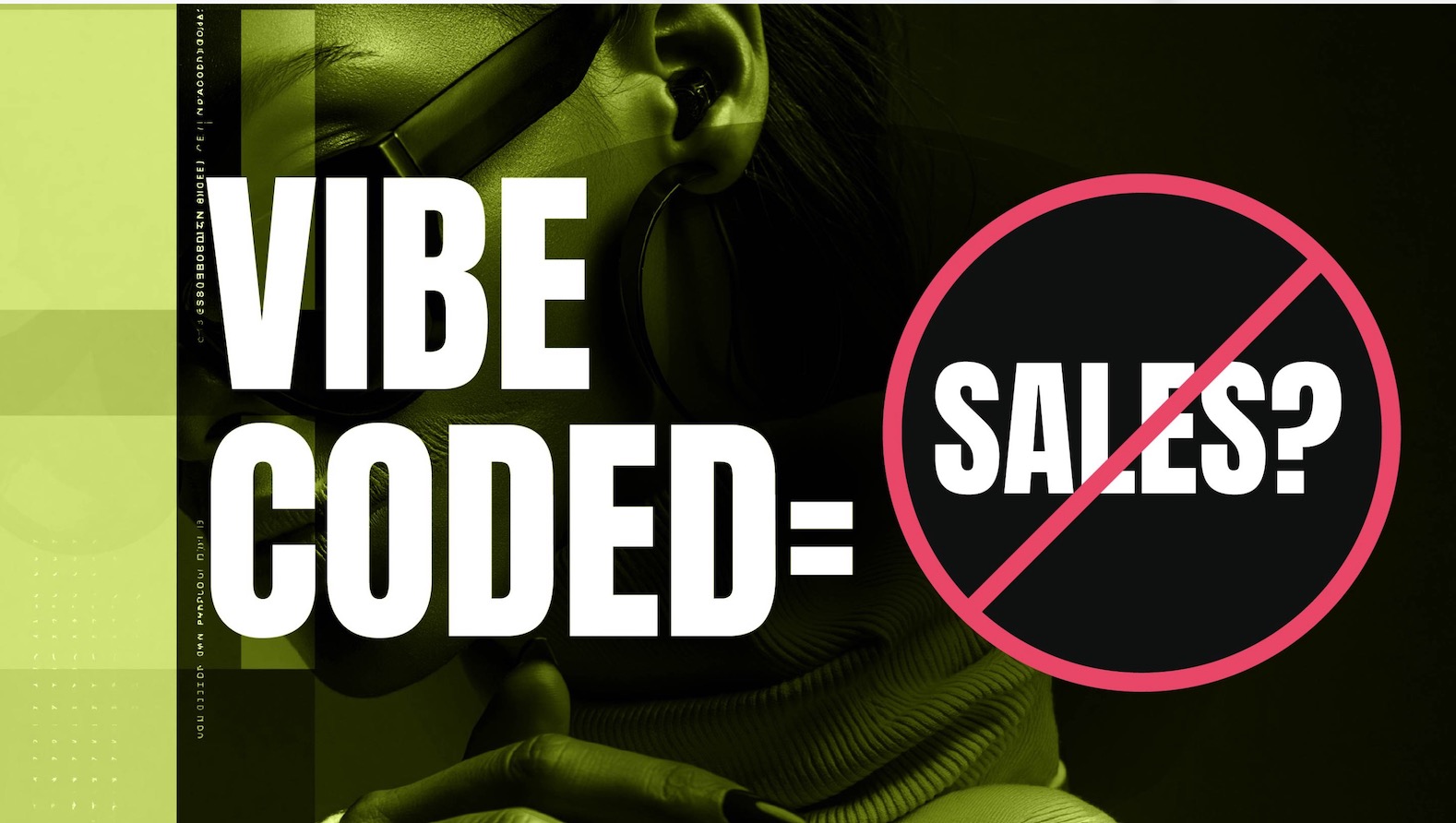
These are what we call “vibe-coded” website designs. You know exactly what we’re talking about—those websites that all have the same boring layouts, the same rounded corners, the same generic look and feel with no brand personality. Put them side by side? You can’t tell them apart.
From a technical perspective, they’re usually missing critical elements like alt text for images, they have broken typography, mobile experience issues, missing SEO fundamentals, performance bottlenecks, and no conversion strategies or marketing funnels.
Sure, use vibe coding to quickly create a landing page to test an offer. However, if you’re a serious business that has spent years creating hundreds (or thousands) of content pages for your existing website, vibe coding your next website could be a terrible decision for your business.
The Foundation: Conversion-Focused Branding
Now, let’s talk about what actually matters when building a brand that lasts.
At Studio1, we’ve designed over 2,000 websites and brands for businesses in a range of niches across the world. And here’s what we’ve learned: strong brands aren’t built on trend-following. They’re created to appeal to the target audience and drive a commercial outcome.
Your Website Is Only Part of Your Brand Story
What does that mean for you? It means your website is only part of your brand’s story. Your visual language needs to be present and consistent across all touchpoints—your website, your social media, your emails, your packaging (if you have physical products), your marketing materials, everything.
Think about brands like Apple, Nike, or Coca-Cola. You could see their brand elements with the logo removed, and you’d still know exactly who they are. That’s the power of consistent visual language.
But here’s what separates businesses that just look good from businesses that actually convert: the foundation of strategy.
Before we even talk about what your brand should look like, we need to understand your audience, your positioning, and your business goals. Because beauty without strategy is just decoration. And decoration doesn’t pay the bills.
At Studio1, we start every project with five essential principles for conversion-focused design: understanding your audience, brand positioning, marketing strategy, psychological influences, and conversion-focused design.
Notice that “following the latest design trends” isn’t on that list.
5 Branding Principles That Actually Matter in 2026
So if we’re not chasing trends, what should you focus on in 2026?
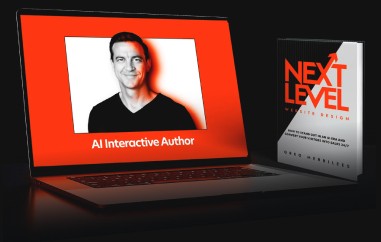
We want to share five branding principles from my book Next Level Website Design that create both longevity and commercial success. These are the things that actually move the needle for your business.
Principle #1: Lead with Authenticity—Own Your Unique Voice
Your brand should reflect who you truly are, not what’s trending on Dribbble or Behance right now.
Authenticity builds trust. And trust is what drives conversions. When your visual identity genuinely reflects your values, your personality, and your approach to serving your customers, people feel it. They connect with it.
Don’t try to be something you’re not just because it looks cool. That strategy has a very short shelf life.
Principle #2: Think Cross-Channel Consistency
This is huge, and it’s where most brands drop the ball.
Your visual identity must translate seamlessly across every single touchpoint. Your website is beautiful? Great. But what about your Instagram? Your email newsletters? Your LinkedIn presence? Your client presentations?
If your brand looks and feels different on each platform, you’re confusing your audience and diluting your brand recognition. Consistency compounds. When people see your brand elements repeatedly across multiple touchpoints, you become memorable.
Principle #3: Use AI as Your Research Assistant, Not Your Designer
Look, AI is an incredible tool. We use it at Studio1 for competitive analysis, trend research, and brainstorming concepts. It’s excellent at showing you what’s already out there.
But here’s the danger: if you let AI be your primary design tool, your brand will lack originality. Because AI can only remix what already exists. It can’t create something truly new that captures your unique positioning in the marketplace.
Use AI to inform your decisions, not make them. Use it to research your competitors, to understand your industry’s visual landscape. But then bring in human designers who understand your business, your audience, and your goals to create something original.
The brands that stand out in 2026 will be the ones that use AI intelligently—as a powerful assistant, not as the creative director.
Principle #4: Design for Longevity, Not Just Today
Trends fade. Strategic brand positioning endures.
Now, this doesn’t mean your brand should ignore contemporary design principles. There’s a balance. You want to look current and professional without being so trendy that your brand feels dated in 18 months.
How do you find that balance? Ask yourself: “Will this design choice still work in two to three years?” If you’re using the hottest trend of the moment, probably not. If you’re building on timeless design principles with a contemporary execution, you’re in the sweet spot.
Think about brands like Airbnb, Stripe, or Notion. They don’t follow trends, but they never look outdated. That’s intentional design for longevity.
Principle #5: Prioritize Commercial Viability
Here’s where the rubber meets the road.
Beauty matters. Aesthetics matter. But conversion matters more.
Your brand design should support your business goals. It should make it easier for people to understand what you offer, trust that you can deliver, and take action.
This is what we mean by “conversion-focused design.” It’s not about manipulating people. It’s about removing friction from their journey and making it natural and easy for them to say yes to working with you.
At Studio1, we combine psychology with aesthetics to create designs that get results. Because a beautiful website that doesn’t convert is just an expensive digital brochure.
Exceptional Brands to Learn From
Let’s look at some real-world examples of brands that are absolutely crushing it with their visual identity.
These aren’t Studio1 clients—these are brands we admire that demonstrate what’s possible when you own your voice instead of chasing trends.
Lyka Pet Food
Lyka is an Australian dog food brand, and their branding is phenomenal. They use custom hand-drawn illustrations throughout everything they do. Their color palette is vibrant, memorable, and consistent.

But here’s what makes them special: their branding is rock-solid across every touchpoint. Their website, their Instagram, their email campaigns, their packaging—it all feels like Lyka. You’d recognize their brand anywhere.
And because of that consistency and unique visual voice, they can command premium pricing in a crowded market.
Wise
Wise, is a fintech company that actually created its own trend in the finance space.

They developed a custom font style and a distinctive color palette that immediately sets them apart from the sea of dark blue, corporate-looking financial services companies.
But again, it’s the consistency that makes it work. Whether you’re looking at their website, getting an email from them, receiving your Wise debit card, or seeing their ads—everything feels like Wise.
They’ve turned their brand into an asset that differentiates them in a commoditized industry.
Who Gives a Crap
Who Gives a Crap is an eco-friendly toilet paper company, and they’ve created one of the strongest brand identities in the sustainability space.

Their brand voice is playful, bold, and unapologetically different. Their packaging is colorful and covered in quirky illustrations. And everyone in the eco-space knows exactly who they are.
They’ve been so successful with their unique voice that competitors have tried to rip them off. But you can’t copy authenticity. Who Gives a Crap owns its position because it was brave enough to be different.
Revo Fitness
Revo is an Australian fitness brand that demonstrates how powerful visual consistency can be.

Their branding across their website, social media, email marketing, and in-gym materials is incredibly strong. They’ve created a recognizable aesthetic that appeals to their target audience and differentiates them in the fitness space.
The lesson here: when you commit to a visual voice and maintain it across everything you do, you become significantly more memorable than competitors who are trying to be everything to everyone.
The Subtle Design Progressions That Matter
Now, we said at the beginning that we’re not seeing new dominant visual trends emerge for 2026. And that’s true.
But there are some design progressions—not trends, progressions—that are worth paying attention to because they’re commercially relevant.
Organic, Loose Layouts
We’re seeing movement away from rigid grid systems toward more natural, flowing layouts. This can create a more human, approachable feel. But the key is: does it serve your brand? If you’re a law firm, probably not. If you’re a wellness brand, maybe yes.
Custom Typography
More brands are investing in custom or semi-custom typefaces to differentiate themselves. This is less about following a trend and more about owning something unique that competitors can’t easily copy.
Bold, Considered Color Systems
Simple, bold color palettes that are applied consistently are proving more effective than complex, trendy gradient systems. Think Stripe, Spotify, or Netflix. Limited palettes, powerful application.
Hand-Crafted Elements
Illustration, hand-drawn elements, and custom graphics are creating differentiation in a world of stock photos and AI-generated imagery.
Notice what all of these have in common? They’re about creating uniqueness and authenticity, not about following what everyone else is doing.
Use these progressions as inspiration, not instruction. Take what makes sense for your brand and audience, ignore what doesn’t.
How to Build Your Brand for 2026: 6 Practical Steps
Let’s make this practical. If you’re looking to elevate your brand in 2026, here’s exactly what you should do:
Step 1: Start with Strategy, Not Aesthetics
Before you think about colors, fonts, or layouts, get crystal clear on three things: Who is your audience? What’s your unique positioning? What are your business goals?
Your visual identity should be the expression of these strategic decisions, not random aesthetic choices.
Step 2: Define Your Unique Visual Voice
Based on your positioning and audience, what should your brand look and feel like? What emotions should it evoke? What values should it communicate?
This is where you make intentional decisions about typography, color, imagery style, and graphic elements. And these decisions should be unique to you, not copied from competitors or trends.
Step 3: Use AI for Research, Humans for Creation
Absolutely use AI to research your competitive landscape, to gather inspiration, to understand what’s working in your industry.
But when it comes to actually creating your brand? That should be done by talented human designers who understand your business, can think strategically, and can create something truly original.
Step 4: Ensure Consistency Across Every Touchpoint
This is where most brands fail. They get a beautiful website, but then their social media looks completely different. Their email newsletters don’t match. Their presentations are off-brand.
Create brand guidelines. Use them. Make sure every single place your brand shows up feels like the same brand.
Step 5: Test for Commercial Viability
Does your brand design actually drive action? Are people connecting with it? Is it supporting your business goals?
Beautiful is great, but effective is better. Make sure your brand is doing its job: building trust and driving conversions.
Step 6: Build for Longevity
Ask yourself honestly: will this still work in two to three years? If you’re heavily reliant on current trends, probably not.
Build on timeless principles with contemporary execution. That’s the sweet spot.
The Bottom Line
2026 is about creative freedom and intentionality. The brands that win this year and beyond won’t be the ones chasing trends. They’ll be the ones with authentic voices, strategic positioning, and consistent execution.
The tools are changing. The landscape is shifting. But the fundamentals of building a memorable, successful brand haven’t changed: know your audience, own your voice, be consistent, and design with your business goals in mind.
Stop trying to look like everyone else. Stop chasing what’s hot this month. Start building a brand that’s uniquely yours and designed to last.
Ready to Elevate Your Brand?
If you’re ready to create a brand with conversion-focused design that stands the test of time, we’d love to help you at Studio1 Design.
We’ve helped over 2,000 businesses create brands and websites that don’t just look incredible—they drive real business results.
Get a quote for your project at Studio1Design.com, or book a strategy call with our team to discuss your vision.